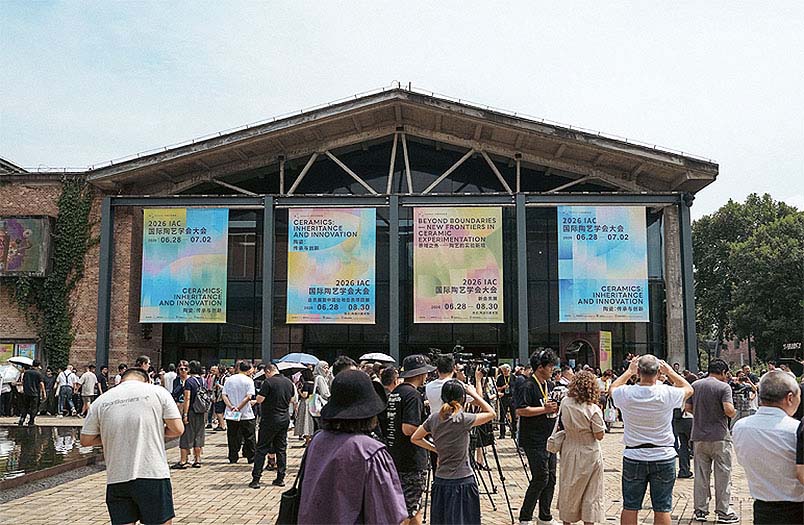
From June 27 to July 2, 2026, the city of Jingdezhen, China, hosted the 52nd Congress of the International Academy of Ceramics (IAC) under the theme Heritage and Innovation. Few places could have provided a more appropriate setting for such a discussion. Famous worldwide for its porcelain tradition spanning more than a thousand years, Jingdezhen today faces the challenge of preserving this extraordinary heritage while adapting to globalization, technological change, and an evolving society. For many IAC members, visiting Jingdezhen was itself a long-awaited experience. The city is home to the world’s only university devoted exclusively to ceramics, with more than 20,000 students, as well as an impressive network of museums, galleries, studios, shops, and artist residency programs. Particularly remarkable is Taoxichuan, a former state-owned porcelain factory district transformed into a vibrant cultural quarter entirely dedicated to ceramics.
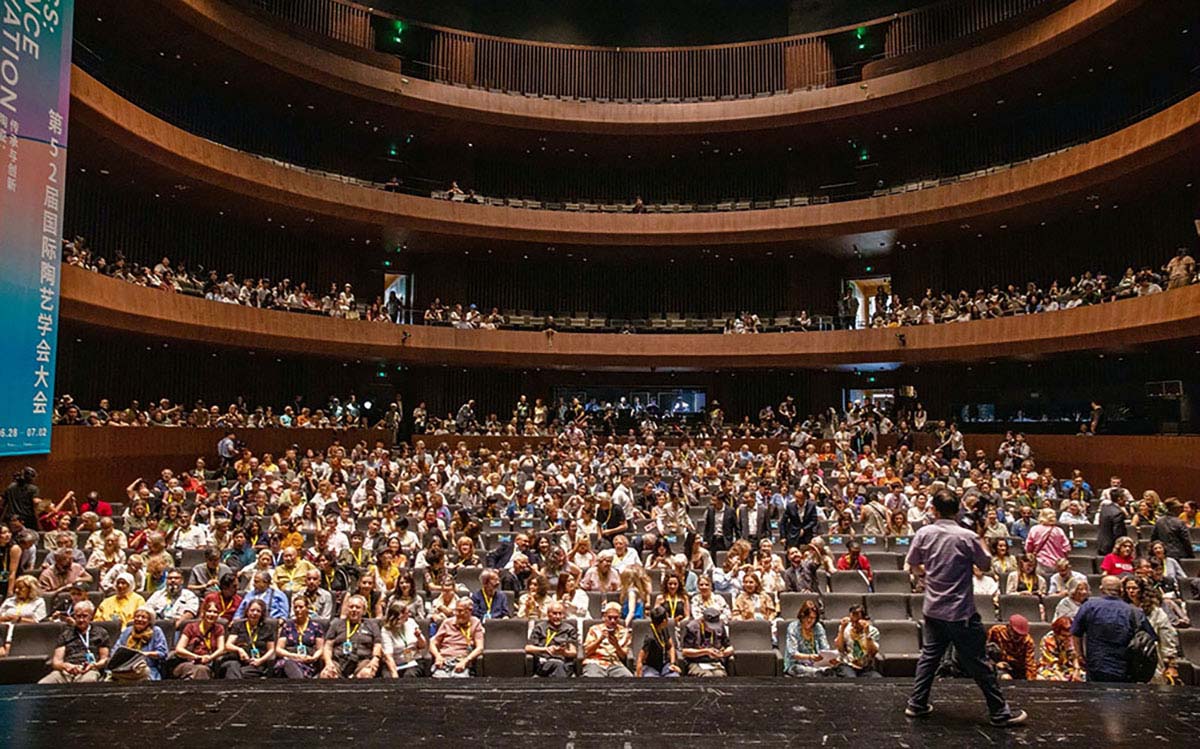
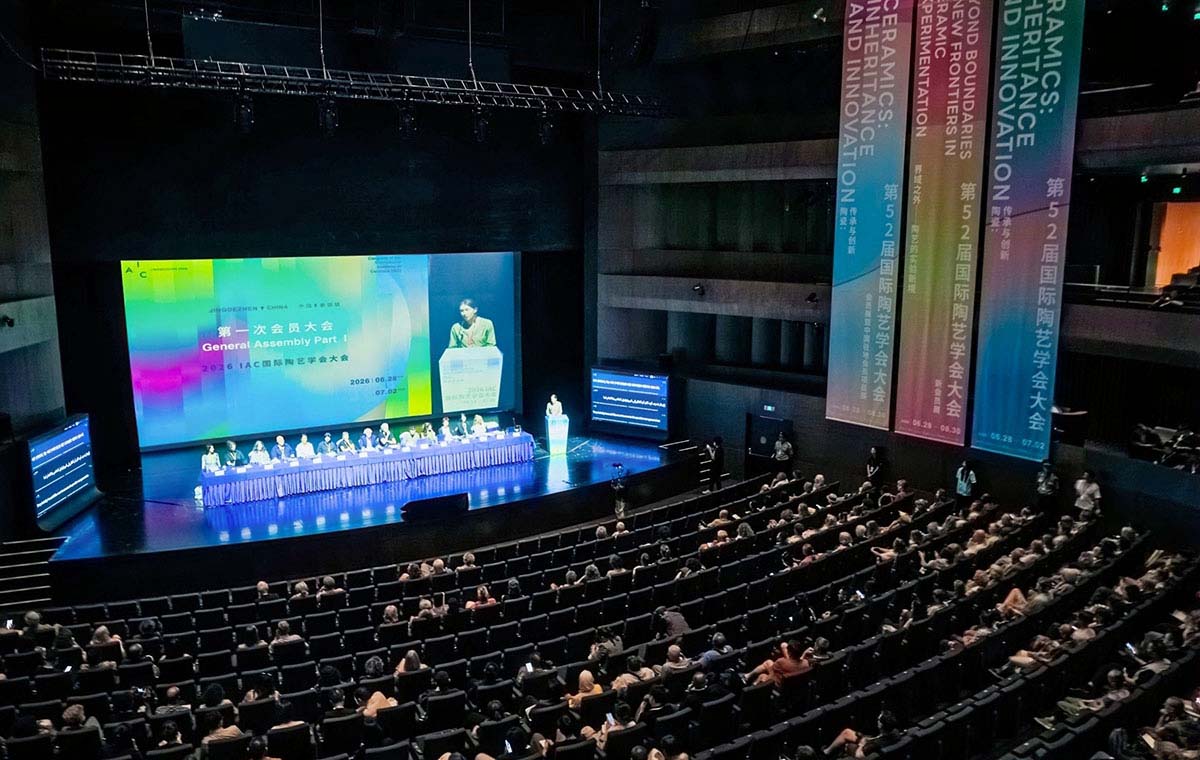
The Congress attracted more than 550 participants, the highest attendance in IAC Congress history and nearly twice the usual number. Many were new IAC members admitted in 2025 and were especially eager to meet colleagues from around the world. Seeing the impressive Taoxichuan Grand Theatre almost completely filled for the opening ceremony was a powerful expression of the vitality and international reach of contemporary ceramics.
- Oriol Calvo Vergés, President of the International Academy of Ceramics
MoCA/NY, a partner and museum member of the International Academy of Ceramics (IAC), invited five IAC members who attended the Congress to share their reflections.
The 2026 Jingdezhen Congress was one of the most successful in the Academy’s history.
And yet, as happens at every great IAC gathering, perhaps the most important part of the Congress was not written in the official program. It happened in conversations between sessions, over meals, during museum visits and bus journeys: artists and ceramic professionals from different parts of the world meeting one another, exchanging publications and business cards, discussing ideas, discovering new work, and imagining future projects together.
This human exchange is at the heart of what the International Academy of Ceramics represents. A Congress creates something that no online meeting or digital platform can fully replace: the possibility of being together, face to face, as an international ceramic community. That is ultimately what makes these gatherings so valuable—and so memorable.
- Oriol Calvo Vergés, President of the International Academy of Ceramics
Overall, I thought the Congress was extremely ambitious and remarkably well organized considering the number of people, venues, exhibitions, field trips, lectures, receptions, and events involved. Our Chinese hosts were incredibly gracious and kept us engaged from the moment we woke up until we were ready to pass out at night.
The logistics of moving that many international visitors throughout Jingdezhen and the surrounding region were impressive. To the casual observer, and particularly to someone visiting Jingdezhen for the first time, the Congress provided a heavily curated introduction to an extraordinary city.
Where it did not completely meet my expectations was in the intellectual programming. Many of the lectures and panels felt familiar or recycled from conversations we have heard at previous conferences. I would have liked the programming to engage much more directly with the uniqueness of Jingdezhen and its enormous contribution not only to ceramic art history, but to world history, technology, trade, labor, and material culture.
Even the field trips, which were very well organized, suffered somewhat from the scale and ambition of the Congress. With so many people and so many destinations packed into the itinerary, visits to museums, historic kiln sites, workshops, and villages sometimes felt rushed. At several locations, I found myself thinking that I could have happily spent the better part of a day there rather than an hour. I know from conversations with other participants that I was not alone in feeling this way.
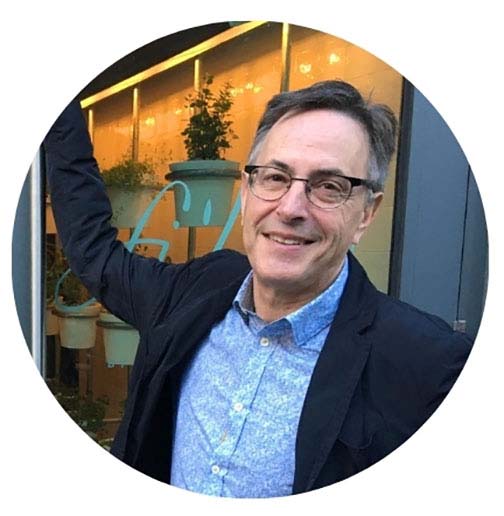
The conference went far beyond my expectations this year. I wasn't anticipating the high quality and quantity of art on display, both in the main exhibition and in the surrounding exhibitions. I was also genuinely impressed by the level of craftsmanship, particularly in the work of Chinese ceramic artists. The speakers were excellent, and the organization was strong overall — with one exception: the timing of the event during the rainy season created some hardship and logistical challenges for attendees.
I was especially impressed by Taoxichuan and its artist residency program, along with all the supporting infrastructure behind it; it goes well beyond anything I've observed in support of ceramics elsewhere in the world. In addition, Jingdezhen city put a tremendous amount of effort into ensuring the success of the conference, including the presence of elected officials and highly regarded artists and administrators from around the country.
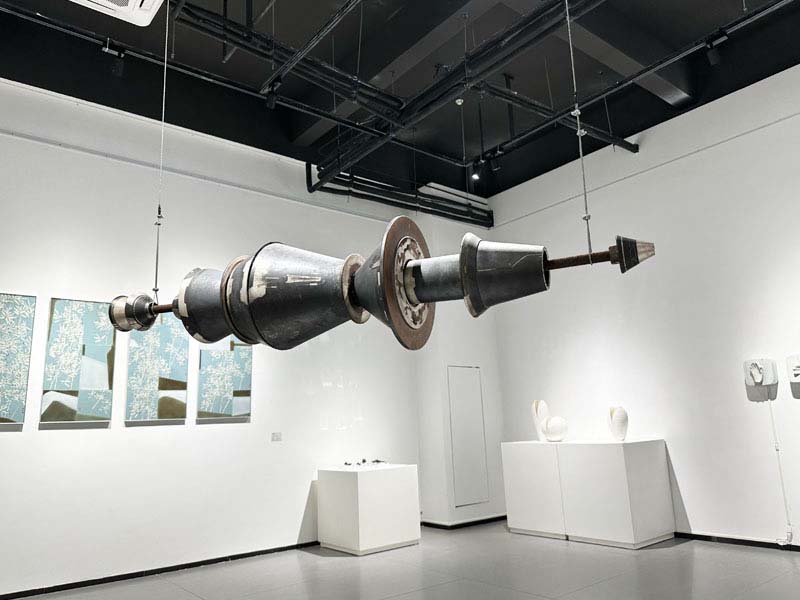
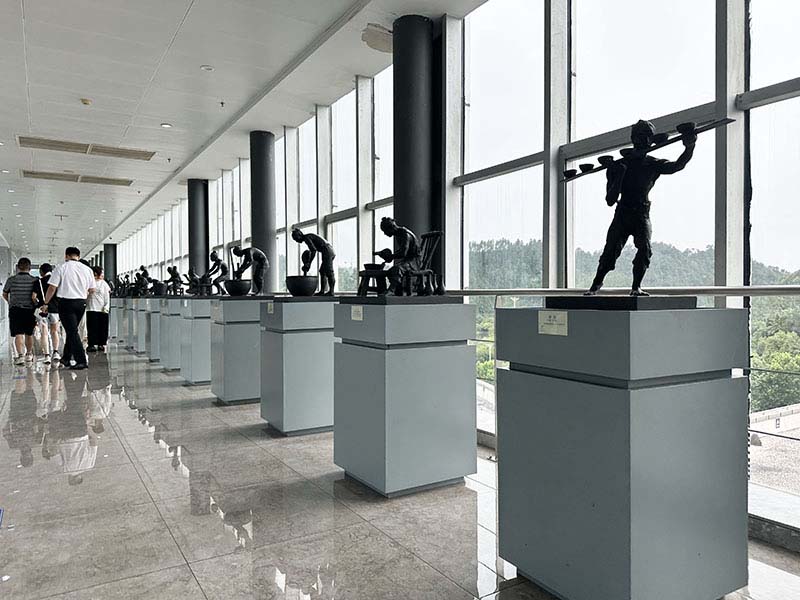
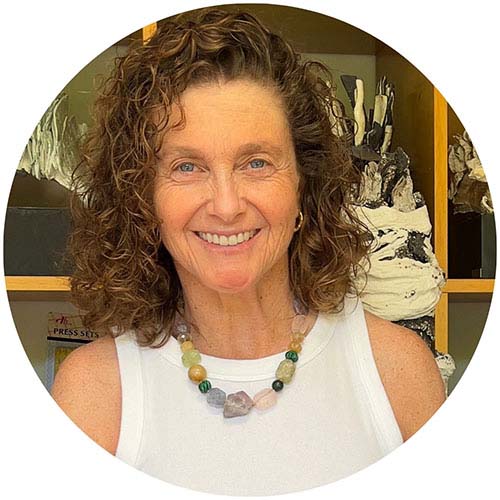
The Congress was very well organized and fully met my expectations. I particularly appreciated the availability of instant and simultaneous translation, which made it much easier to follow the presentations and participate in the program, as well as the excellent quality of the audiovisual production.
The catering at the Congress venue was also very good, and both the activities within the Congress and the visits and excursions were carefully organized. One aspect that could be improved was the amount of time allocated to each place we visited, which often felt too short. In a city with such extraordinary ceramic richness as Jingdezhen, having more time to observe, explore, and understand each place in greater depth would have been very valuable.
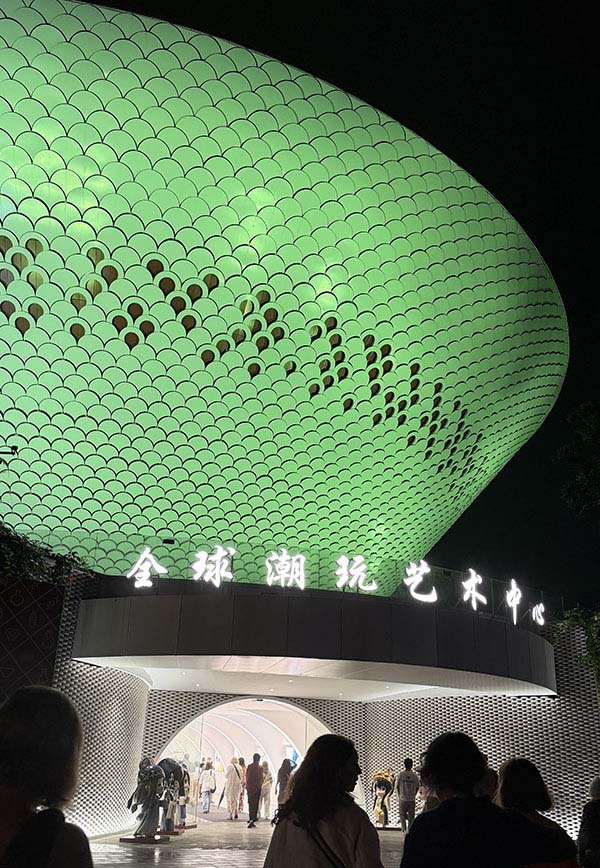
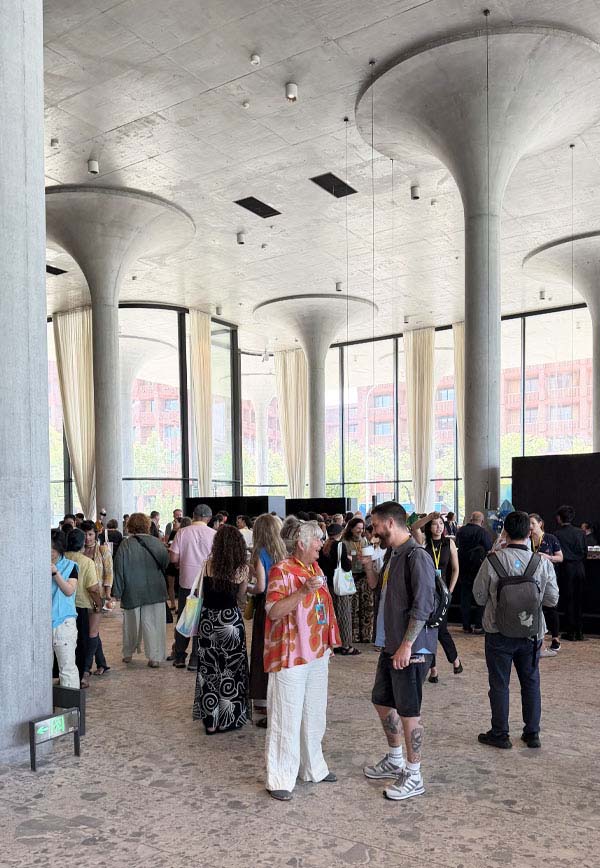
It was well organized, with the usual hiccups, some of which may have been expected. For instance, we were told this would be peak monsoon time, but the conference was still hosted as planned. And surely the floods and evacuation of delegates from Hotel 3 (as we called it) were, well, expected. The exhibitions were, as always, very well organized. They were at far-away places, so reaching or revisiting them was always going to be an issue.
There is much to tell about how this conference was organized. The most notable feeling was that the IAC had relinquished its involvement and its active presence in the congress. A conference held in a place where there is no way of communicating with people because hardly anybody speaks English is a big problem: much gets lost in Google Translate and in the difference of understanding situations, so one could often not get help even with basic, practical issues, understanding what was going on.
Participants visited historic kilns and workshops as well as the Porcelain Museum. At the Changnali Museum, several exhibitions initiated by IAC members highlighted different regions and themes, including Latin America, Oceania, Southeast Asia and India, as well as a fascinating exhibition of postage stamps from around the world featuring ceramics.
The program also included the Jingdezhen International Ceramic Art Biennale, an exhibition of Chinese IAC members, the Imperial Kiln Museum, Mingfang Ceramic Park, the historic kaolin mining site at Gaoling—from which the material takes its name—the historic porcelain production site of Yaoli Raonan, and the traditional Tianbao dragon kiln.
- Oriol Calvo Vergés, President of the International Academy of Ceramics
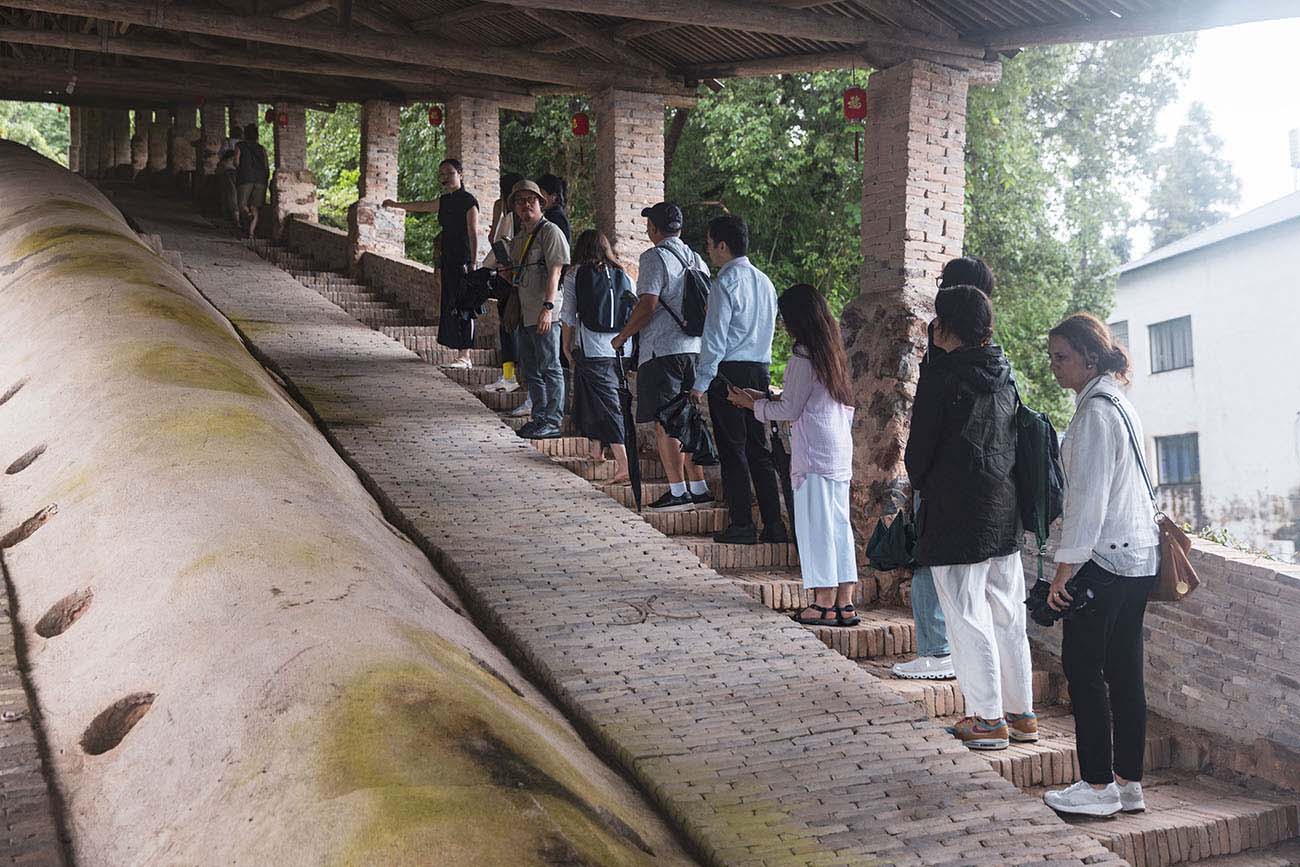
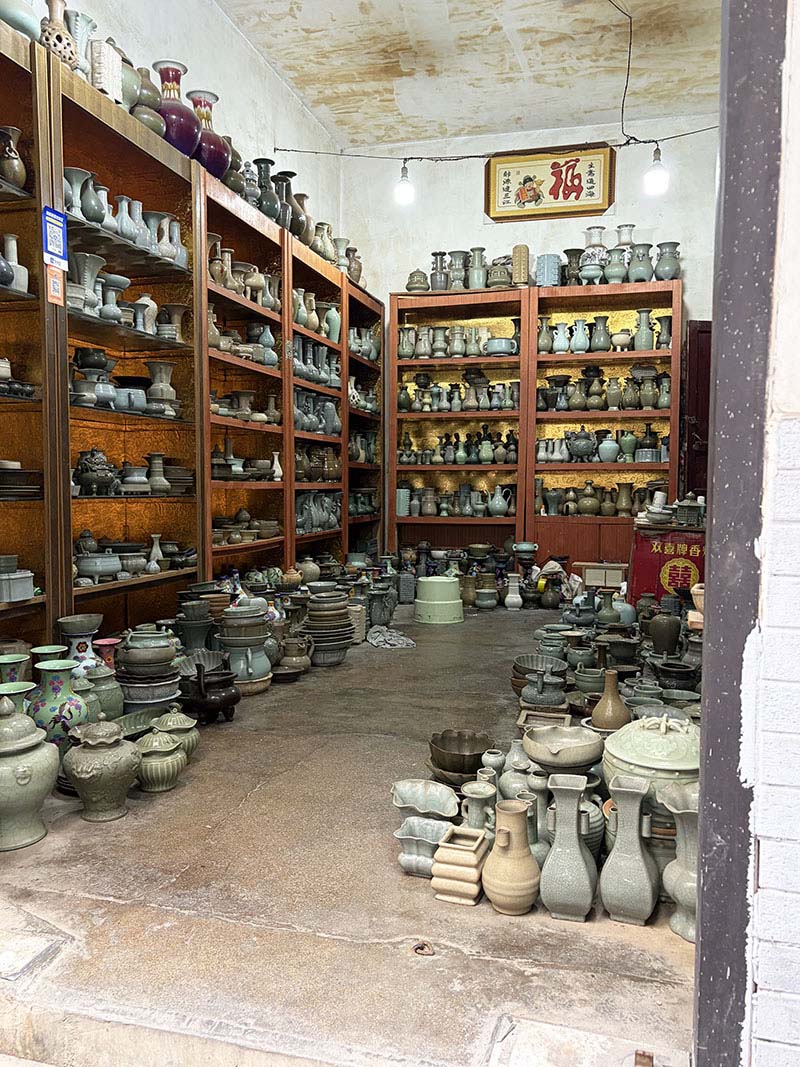
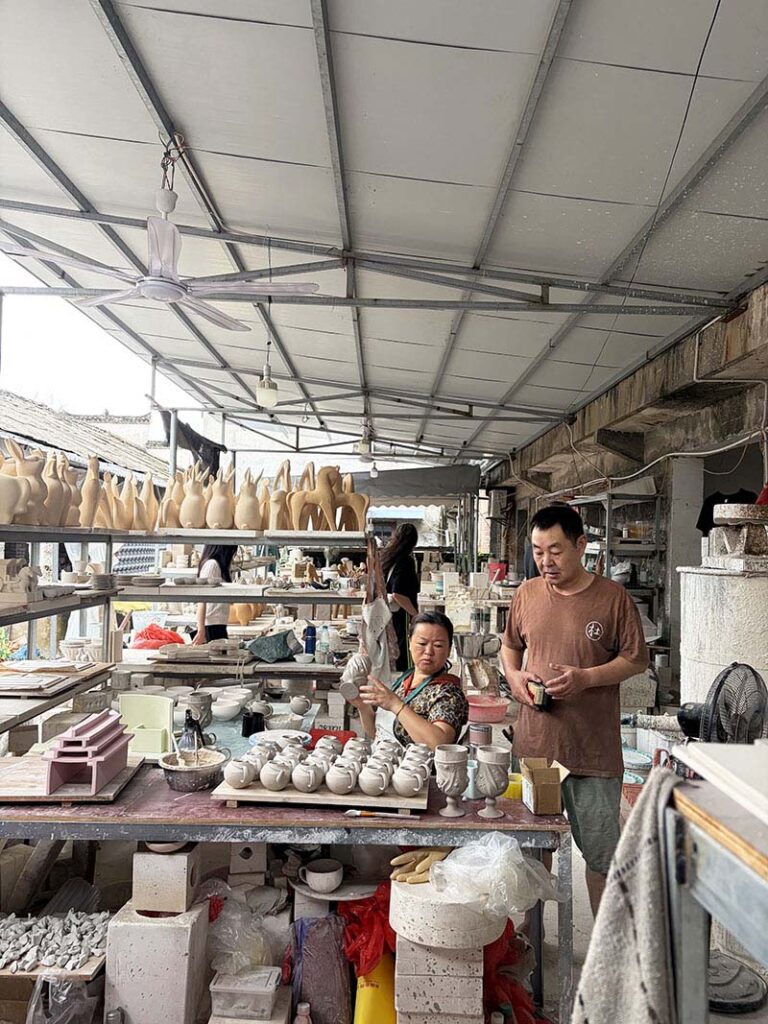
Jingdezhen remains one of the most extraordinary places in the world for anyone interested in ceramics. The museums and historical kiln sites provide an important understanding of the city's history, but for me, the real Jingdezhen exists beyond the major institutions. It is in the warrens and alleyways of studios, factories, glaze shops, mold makers, decorators, kiln yards, markets, and neighborhoods.
What makes Jingdezhen unique is that ceramics is not isolated within museums or university studios—it is woven into the economic and social fabric of the city.
Unless you made the decision to sneak away from the Congress, however, there was very little opportunity to encounter that Jingdezhen.
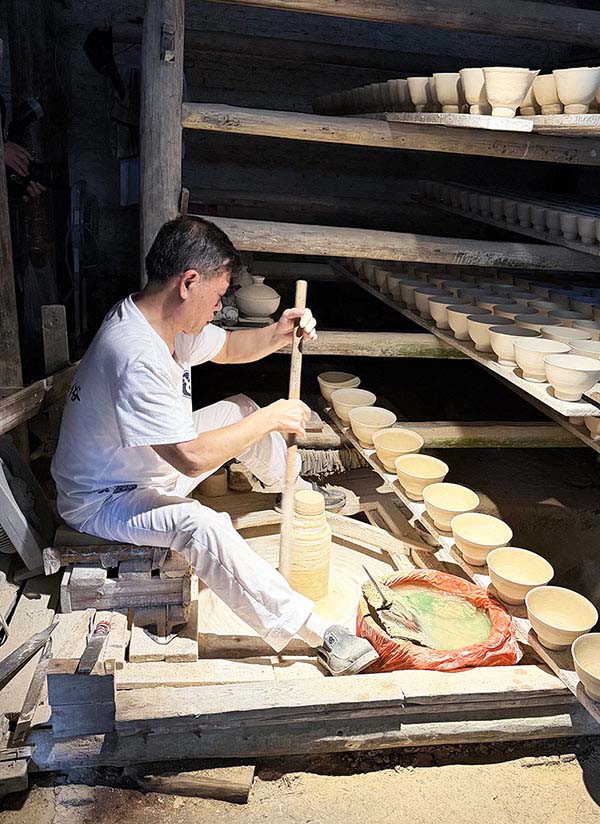
You can watch one person throw a form, another trim it, someone else carve or paint it, and another person glaze and fire it. The accumulated knowledge contained within these communities is difficult to understand from a lecture hall or through the window of a bus. The ceramic shopping is equally remarkable because you encounter everything from inexpensive functional ware to experimental contemporary work and extraordinary examples of highly specialized craftsmanship.
And yes, the food is an important part of that experience. Sharing meals is one of the ways relationships are built in China, and some of my best memories of Jingdezhen over the years have happened around a table after a day of working, looking, talking, and making. If the IAC participants ventured to eat outside of our inclusive daily hotel buffets, they would have a wonderful variety of foods not found in the West. Jingdezhen tends to favor those who like their meals a bit on the spicy side.
Jingdezhen did not need to be simply the location of the Congress; it could have been its central subject. Sometimes the most meaningful way to understand ceramics is not through another lecture, panel, or opening ceremony, but by giving people enough time to walk down an alley, enter a workshop, talk with the people making the work, and understand how clay continues to shape an entire city.
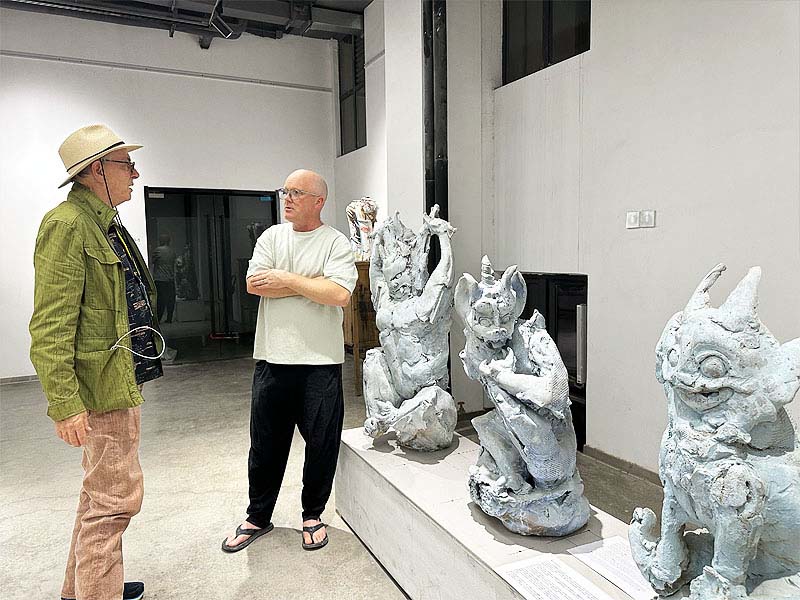
The Jingdezhen Ceramic University Museum was impressive in scale, in its exhibitions, and in its curation, and the city itself showed its dedication to ceramics through simple touches like porcelain street lamp posts. There is also the exceptional Jingdezhen Ceramic Museum dedicated solely to ceramics, which drew large and enthusiastic crowds from across China. Taoxichuan offered a gallery dedicated to the Chinese Academy of Fine Arts, as well as impressive studios from many artists, including Ryan Mitchell and Ryan LaBar from the United States.
The overall impression was so good that I want to go back with my family next year.
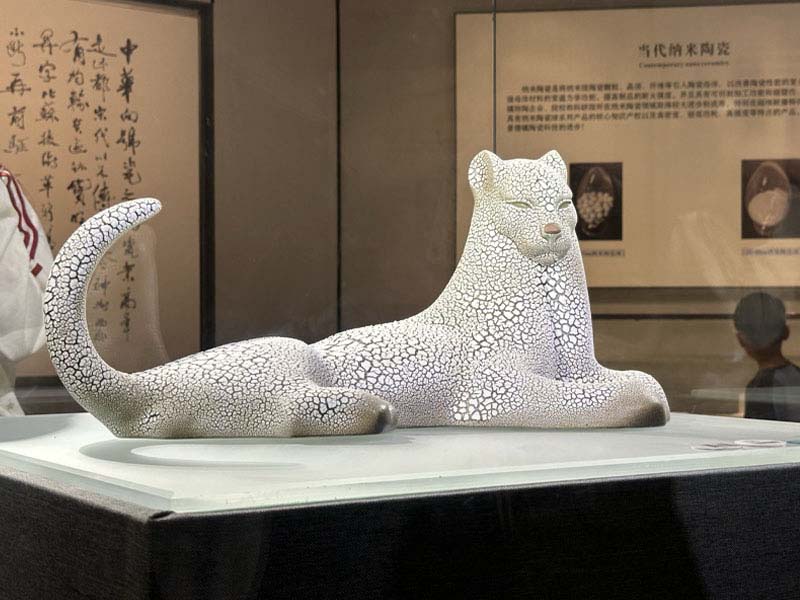
Jingdezhen is truly a paradise for those of us who work with ceramics, and I believe it is something that can only be fully understood by being there. I was amazed to discover an entire city that lives and develops around ceramics: the extraordinary number of workshops, factories, artists’ studios, specialized boutiques, markets, and museums means that ceramics are present almost everywhere.
Rather than simply visiting individual places connected to our field, it feels as though you are entering an entire universe devoted to ceramics, where tradition, production, contemporary art, and commerce coexist. As a ceramic artist, being immersed in this environment was a fascinating experience and something very difficult to find anywhere else.
I was particularly interested in the Taoxichuan district and the way its former industrial facilities have been restored and transformed, preserving the memory of the old factories while giving them a new life connected to contemporary art and culture. One of the things that struck me most was seeing how local residents enjoy these spaces and make them their own. Ceramics do not seem to be something reserved for artists, specialists, or visitors; they are something the entire community shares and experiences as part of everyday life.
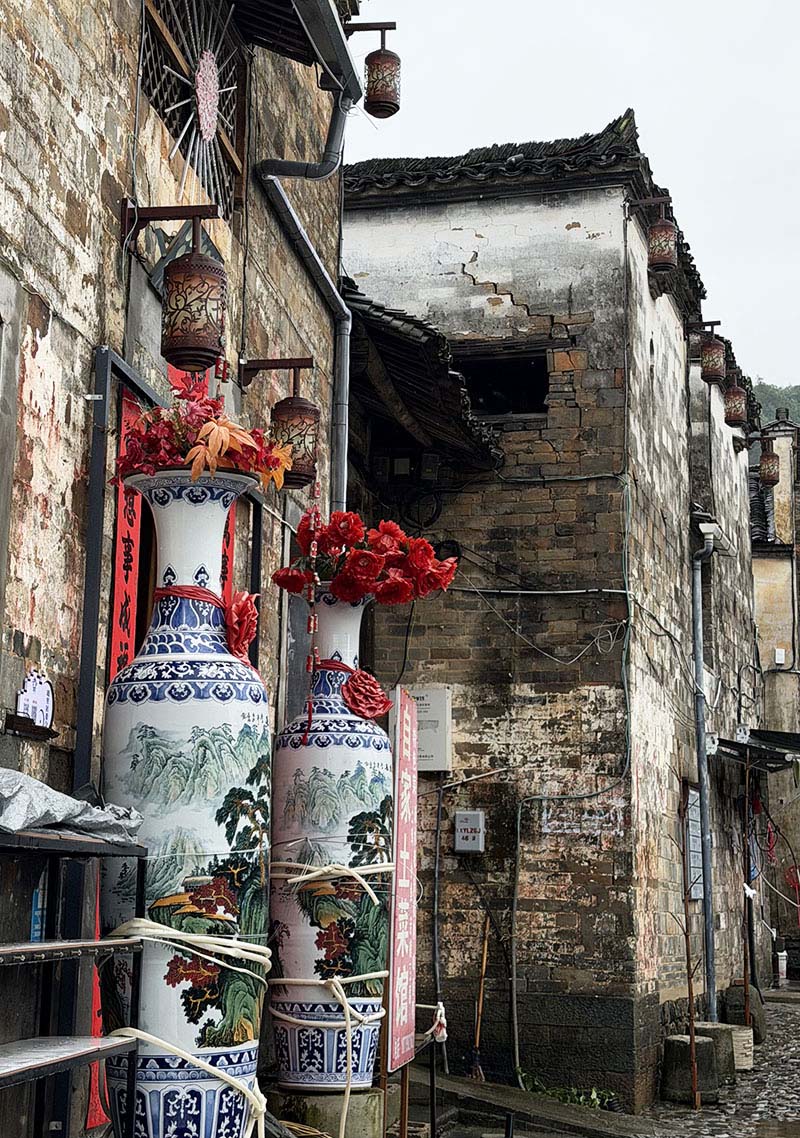
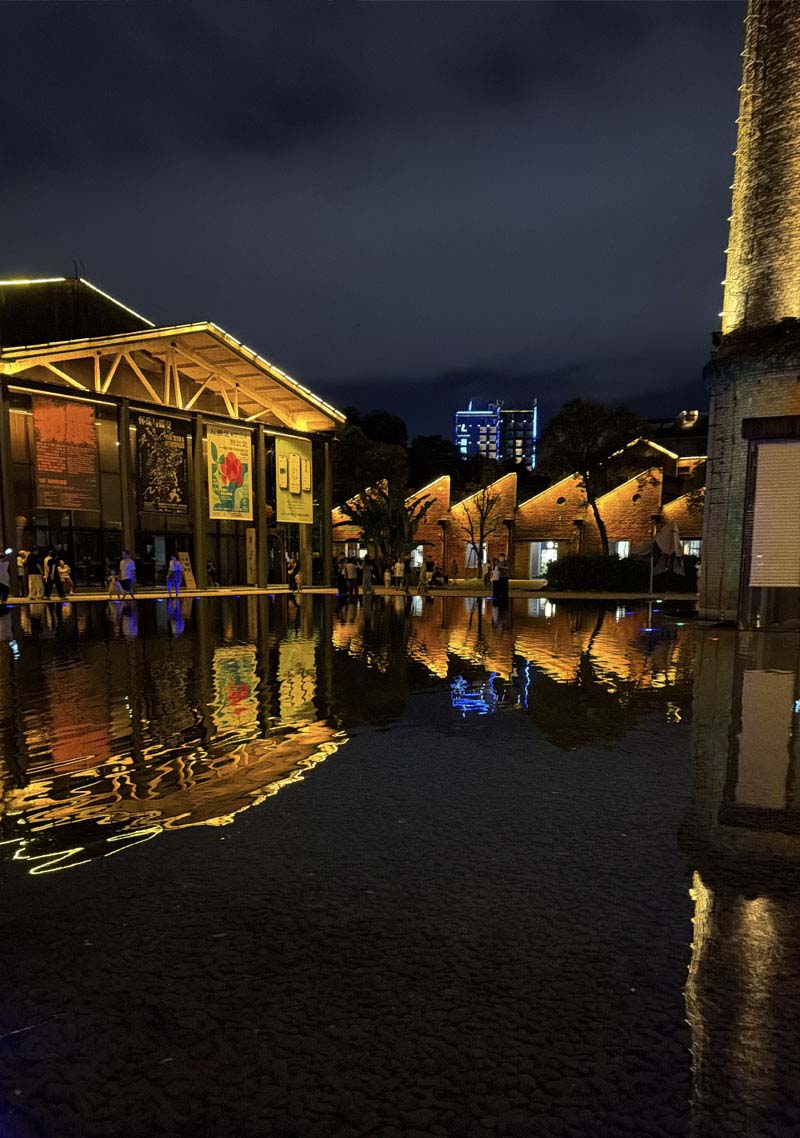
One of the earlier days, the day of the deluge, was a washout. So we visited some studios and factories as the day progressed and the rains subsided. Museums in China are always spectacular! For ceramic shopping, we were left to our own devices; friends who were at residencies guided us. There should have been better information handed out to delegates about this. Nelson Lim's solo show, in a small space in town, was stunning! And he's such a gracious guy, showing us around and sharing JDZ knowledge!
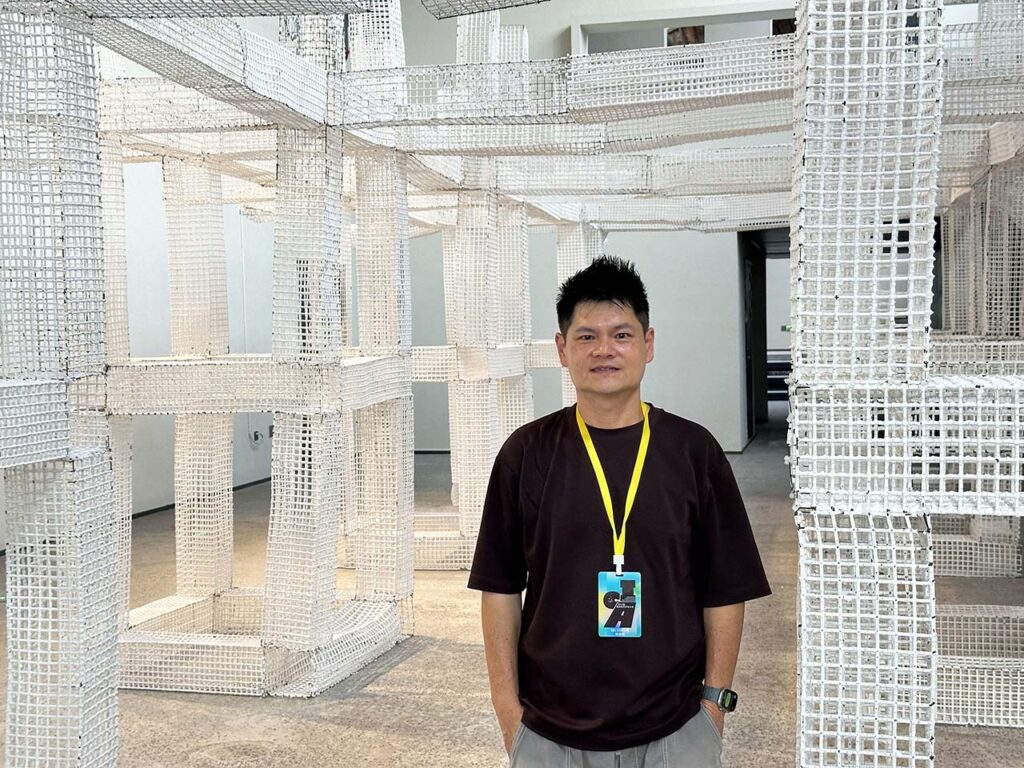
The academic program, centered on the Congress theme of “Heritage and Innovation,” was rich and diverse. The overall quality of the presentations was particularly high. For those unable to attend the Congress, the sessions are expected to be made available online. Among the most warmly received presentations was that of the distinguished Belgian ceramic artist Piet Stockmans, now in his eighties, who also had a solo exhibition at a Jingdezhen gallery during the Congress.
- Oriol Calvo Vergés, President of the International Academy of Ceramics
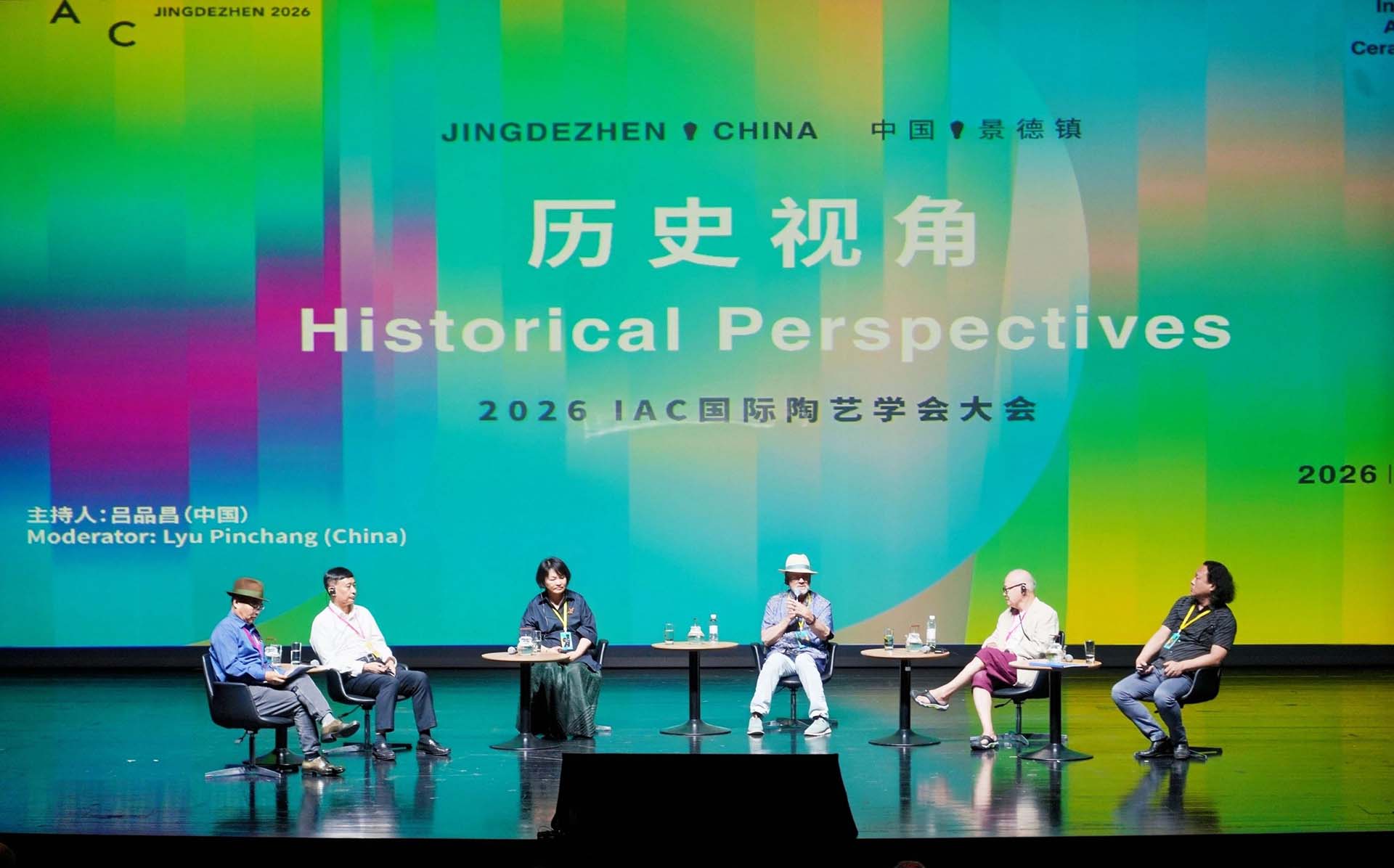
Rather than one particular lecture, I found myself most engaged by programming that connected contemporary ceramic practice to the history, material knowledge, and continuing traditions of Jingdezhen. Those moments felt particularly meaningful because they could only really happen in this place.
I would have welcomed even more opportunities to hear directly from Jingdezhen's artists, craftspeople, factory workers, historians, and specialists whose knowledge has often been accumulated across generations. Unfortunately, I felt many of these wonderful artisans were not represented at the Congress. For me, those voices and that kind of lived material knowledge are as important to an international ceramics congress as those of internationally recognized artists and academics.
Without a doubt, the highlight of the meetings was Piet Oudoolf's lecture, "Be Yourself." It was intensely personal, tracing the arc of his career and life through clay and his artwork, and the meaning that work brought to his life and his final years. It left a lasting and profound impression on me. Also worth noting were the many past social connections I made with friends and artists throughout the event. Ichi Hsu, the visionary behind much of the contemporary ceramic development, was in attendance, and it was a delight to see him and share several meals together.
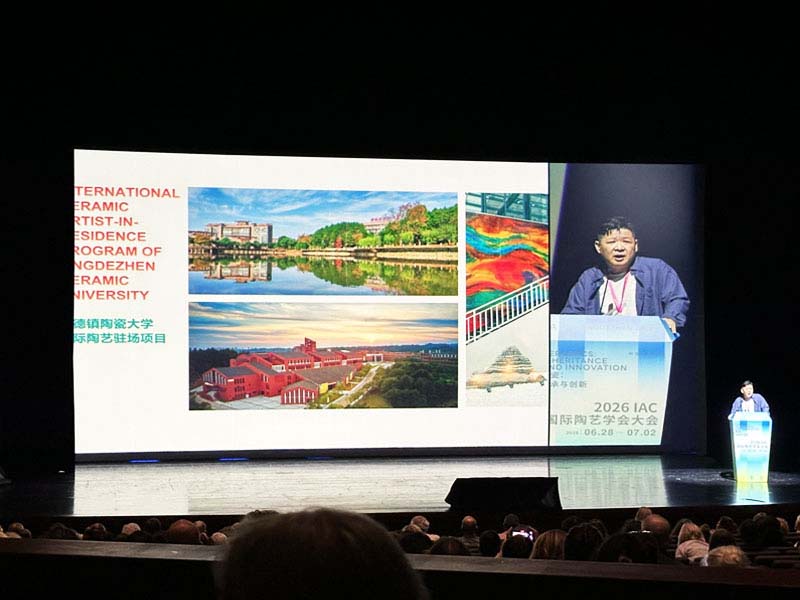
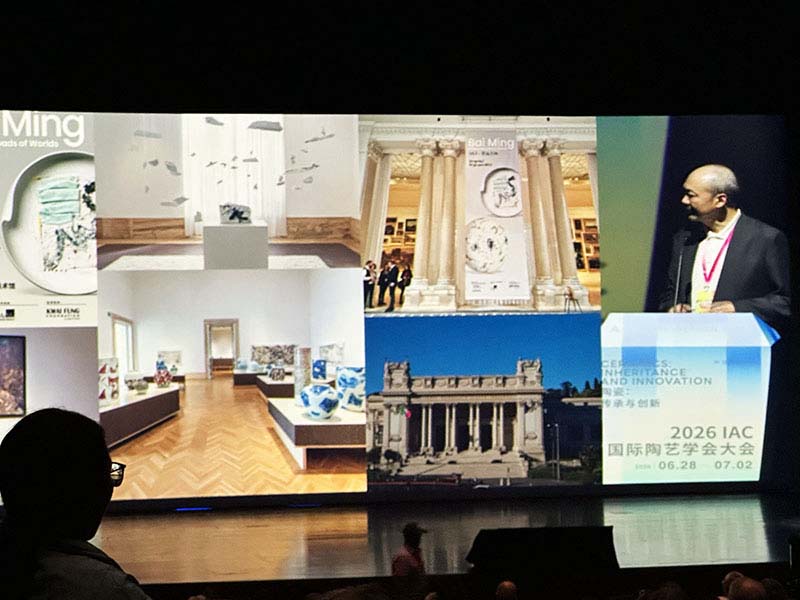
I particularly enjoyed the documentary about the Golden Bricks. I found it to be an exceptionally well-made production, created with great sensitivity, care, and attention to detail, both in the way the subject was presented and in its audiovisual execution. For me, it clearly stood out within the program and communicated its subject in a particularly engaging and memorable way.
The raffle was a lot of fun and got the most eyeballs of all the shows, because the display was at the main centre and everyone got to see the works every day, several times a day, as opposed to going to specific galleries and seeing the work for a bit of time and not going back again. Organized well by the Exhibition Commission, as a follow-up to the Azulejos tiles auction at the IAC in Portugal, the raffle and auction should become a permanent fixture at IAC conferences. It's also very inclusive, as opposed to curated shows that are, well, exclusive.
Some were very good and interesting, like Bai Ming, and some were very moving, like Piet Stockmans. Liu Pinchang, the moderator, is a very interesting artist in his own right; it's a pity we did not get a lecture from him about his work. Wayne Higby's introduction gave a nice historical overview of the relations that had formed over the years with Jingdezhen.
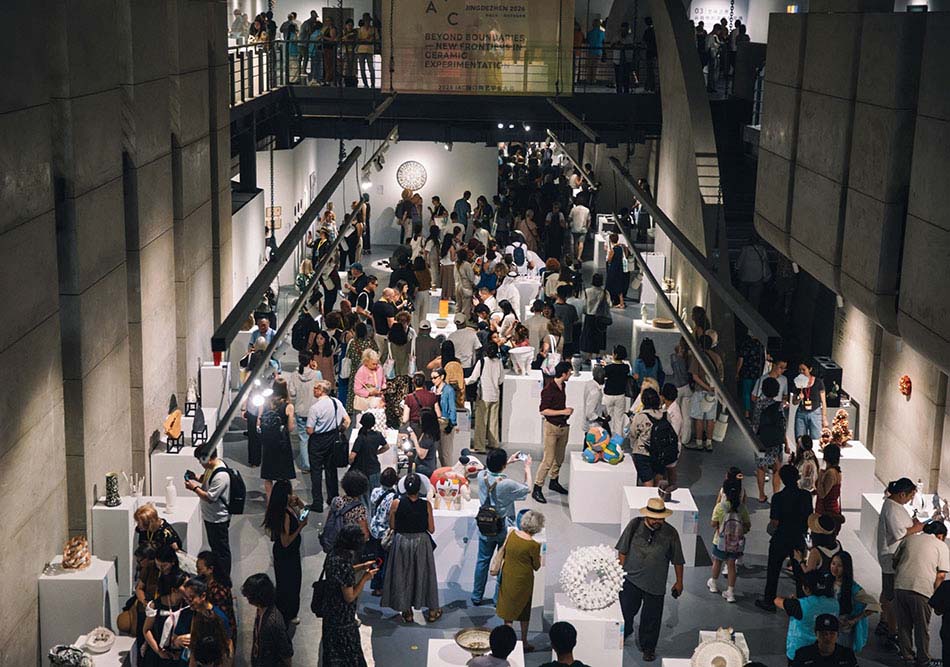
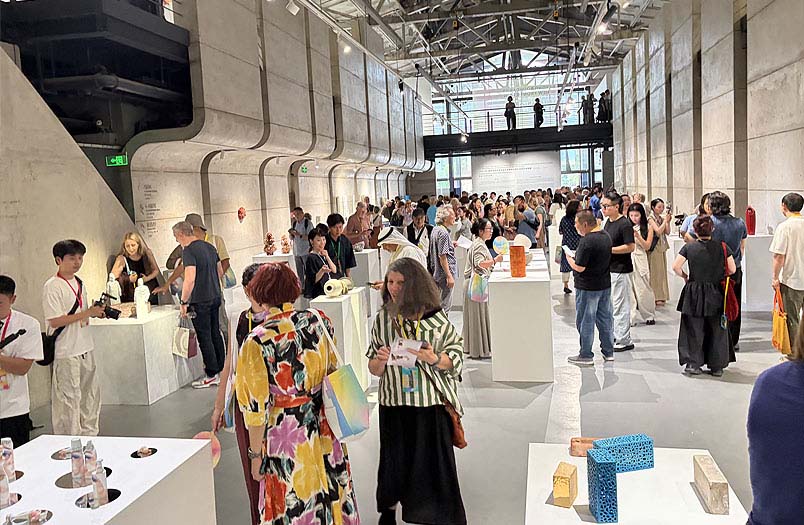
Three official Congress exhibitions were presented at the Taoxichuan Museum: the IAC Members Exhibition; the IAC International Residency Exhibition, featuring works created by artists participating in the residency programs organized before the Congress; and the New Members Exhibition. Each exhibition was accompanied by a beautifully produced catalog, providing an important record of the remarkable diversity of contemporary ceramic practice within the Academy.
- Oriol Calvo Vergés, President of the International Academy of Ceramics
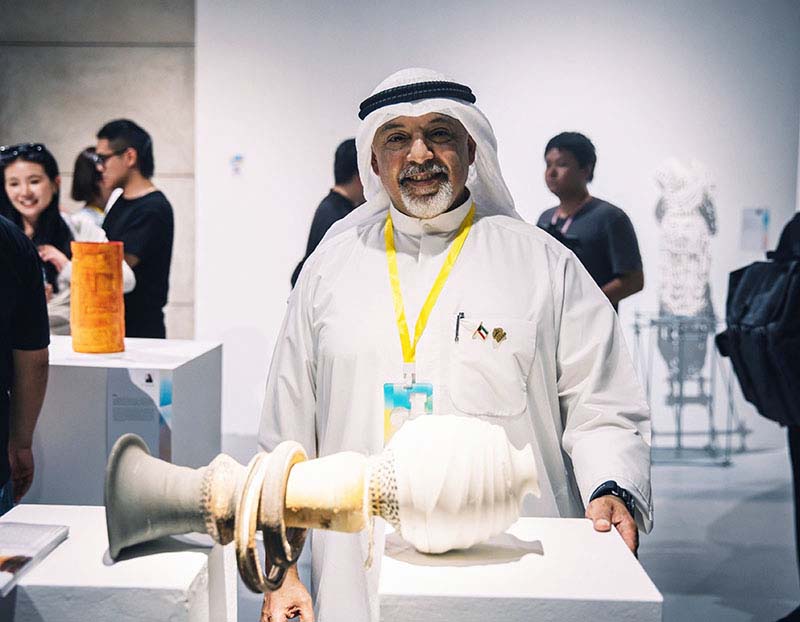
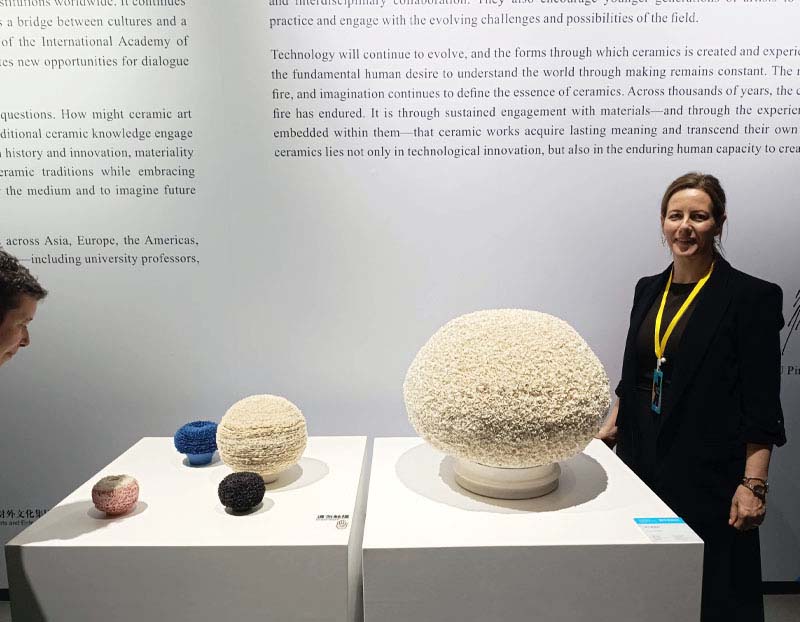
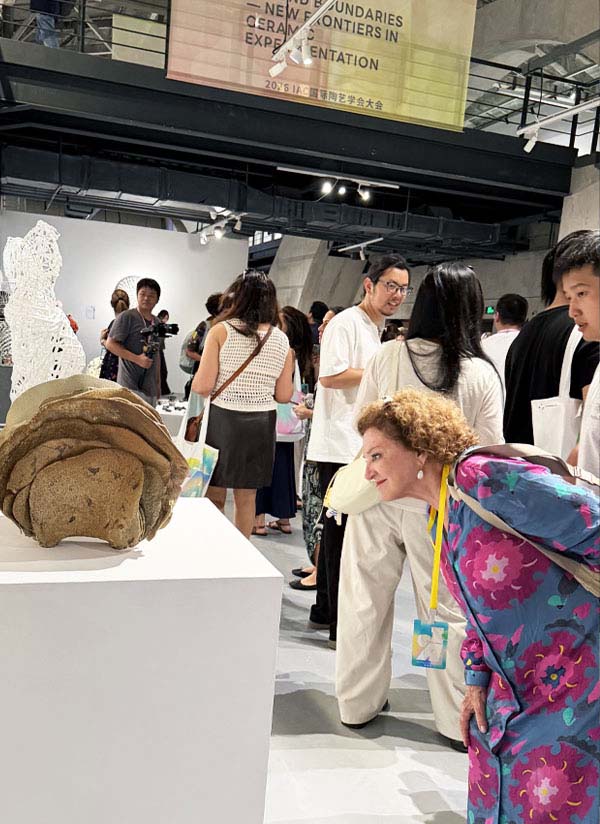
There was an extraordinary amount of work presented throughout the city, and the breadth of the exhibitions demonstrated how diverse contemporary ceramics has become internationally. My frustration was that I often felt I did not have enough time with any one exhibition to fully absorb it. I felt that the Jingdezhen Ceramics Biennial was very strong.
Many exhibition visits coincided with receptions, speeches, official photographs, and opening ceremonies, followed almost immediately by transportation to the next event. Rather than identifying one exhibition as a favorite, what stayed with me was the desire to return and spend considerably more time with the work. Sometimes the most meaningful experience of an exhibition simply requires being allowed to look.
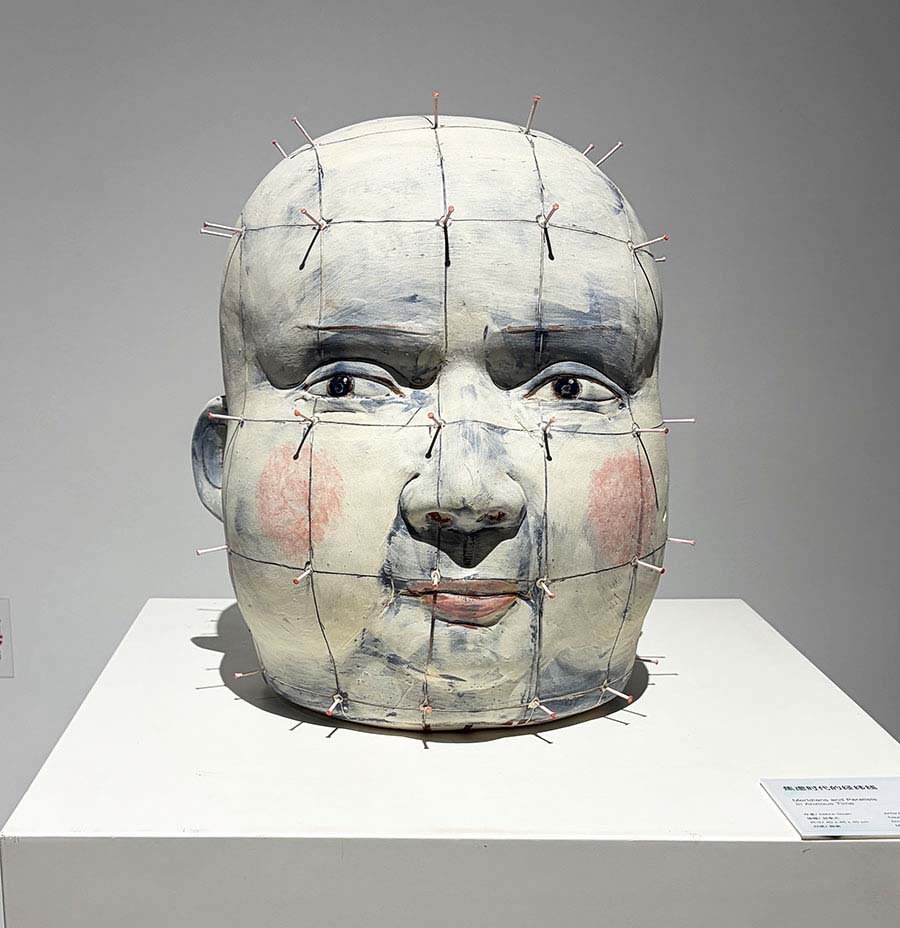
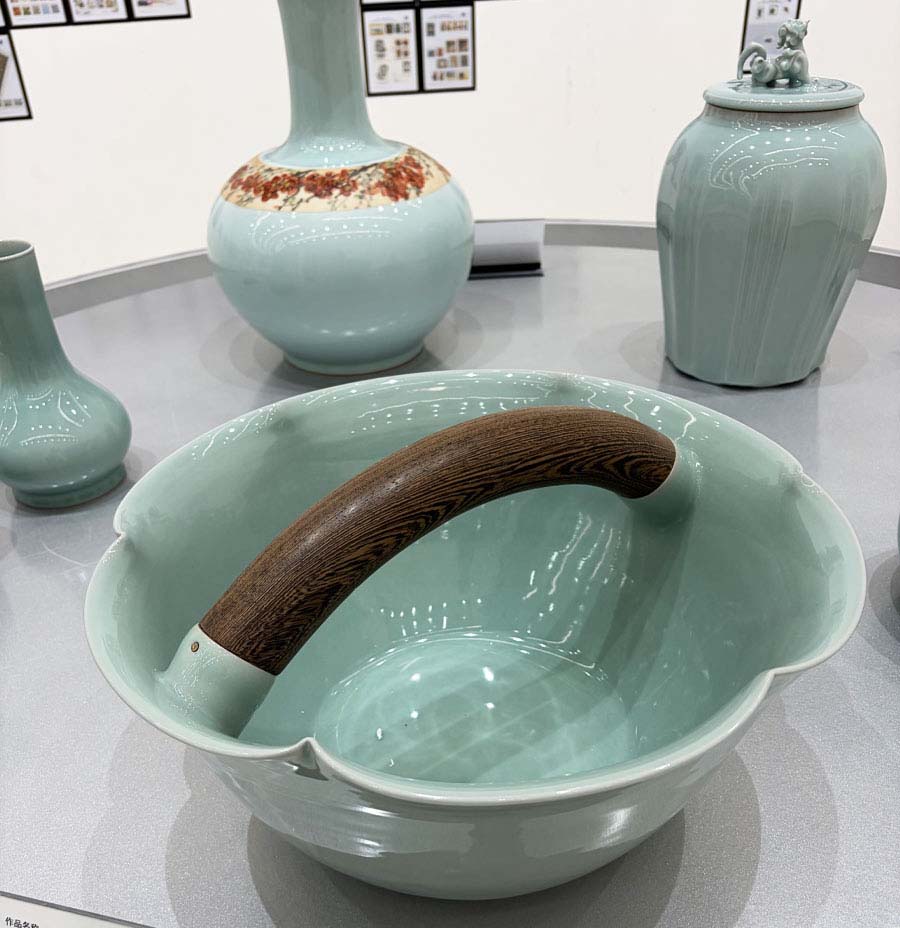
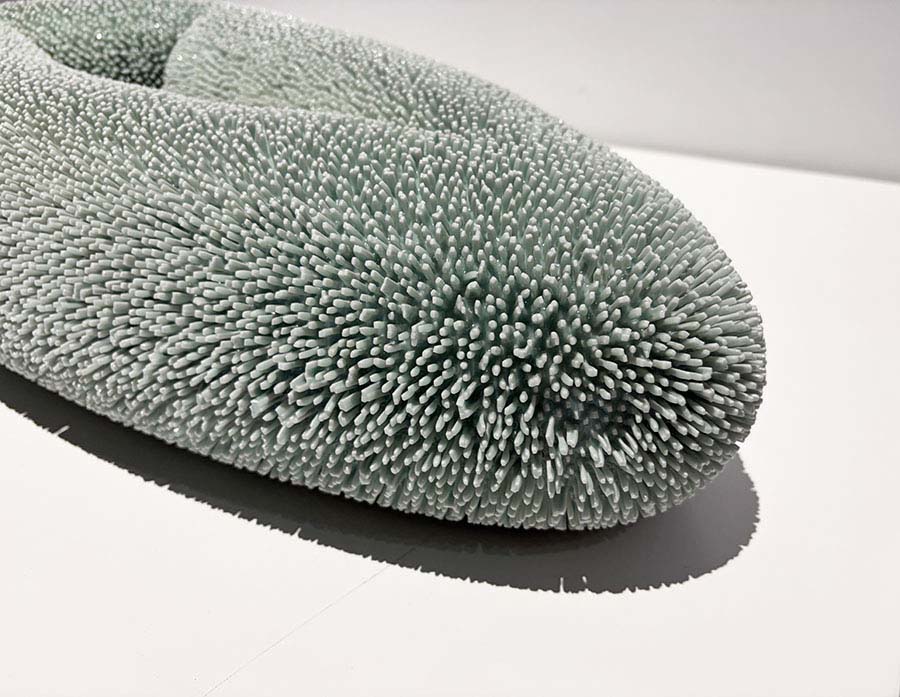
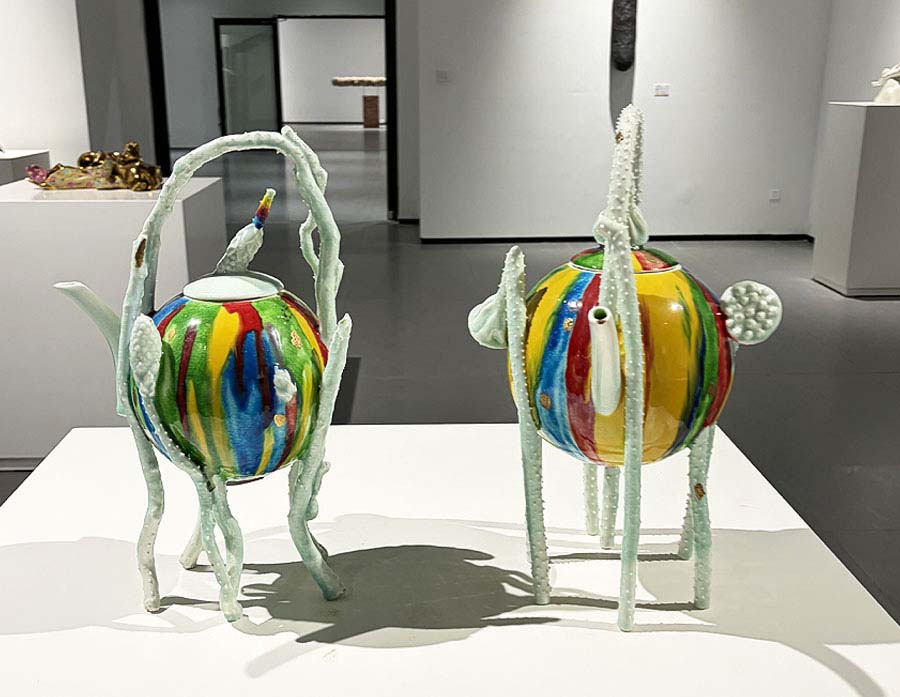
The Jingdezhen Ceramic University Museum show was by far the strongest and most inspiring — the quantity and quality of work, particularly from Chinese artists, was wildly impressive. There was also a live presentation by Chinese potters that showcased the extraordinary skill of professional potters at the wheel.
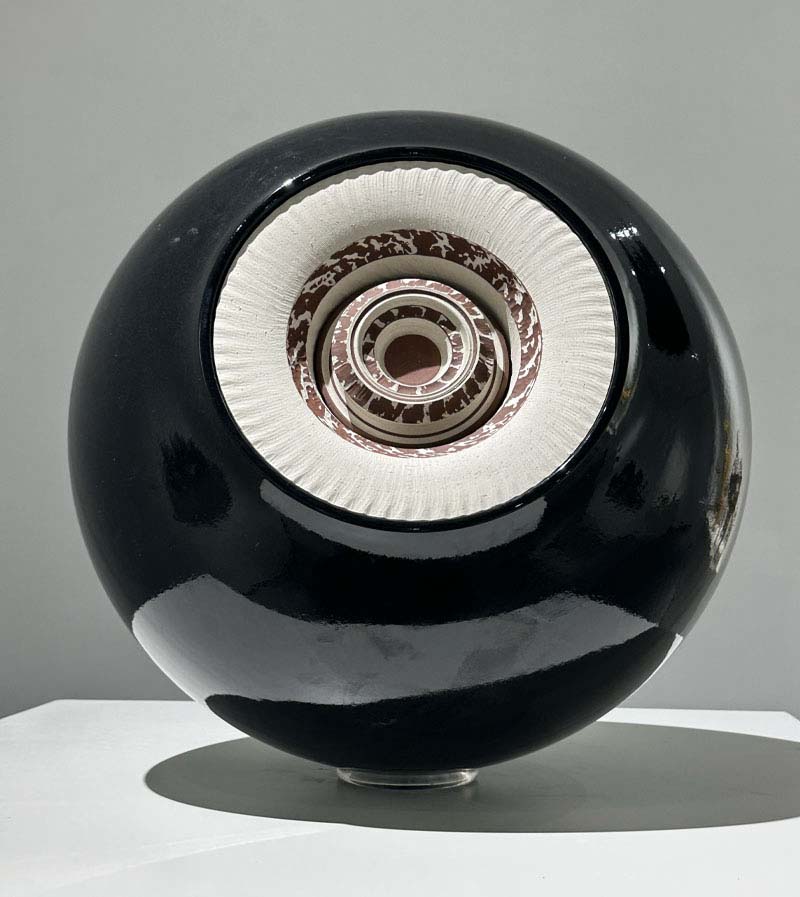
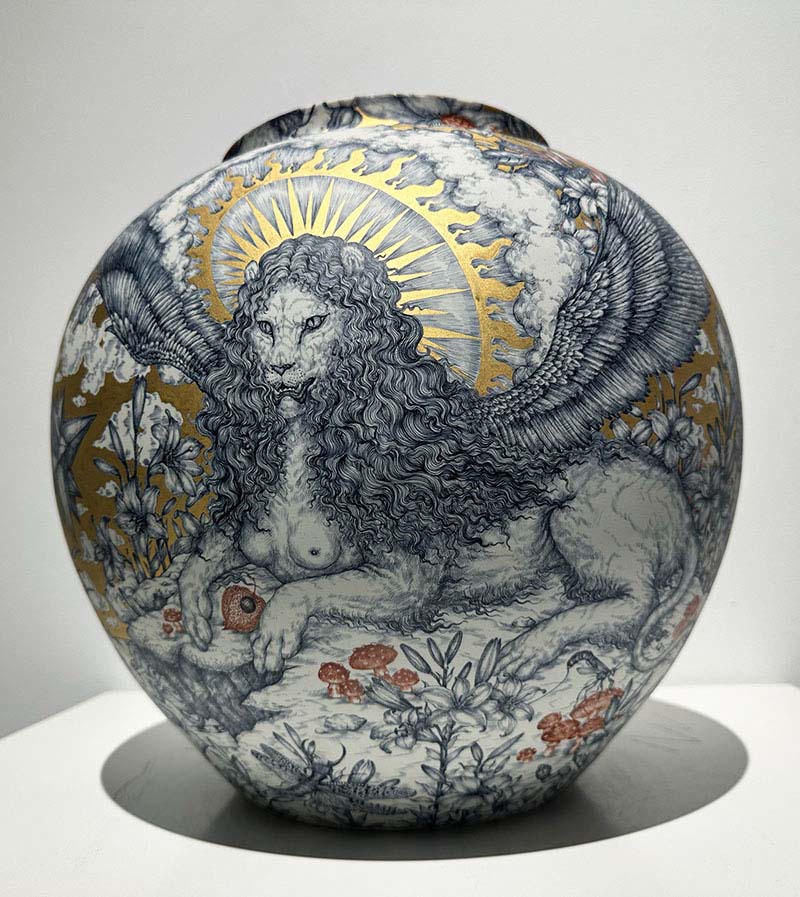
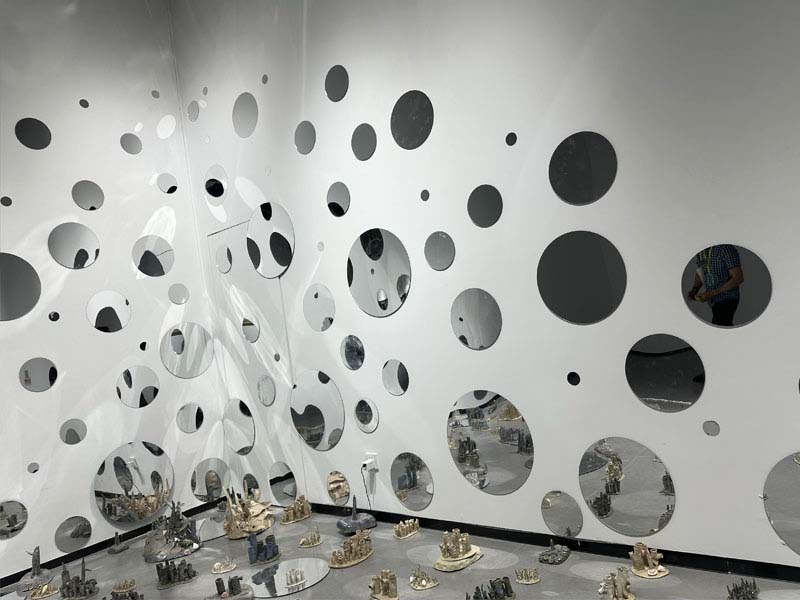
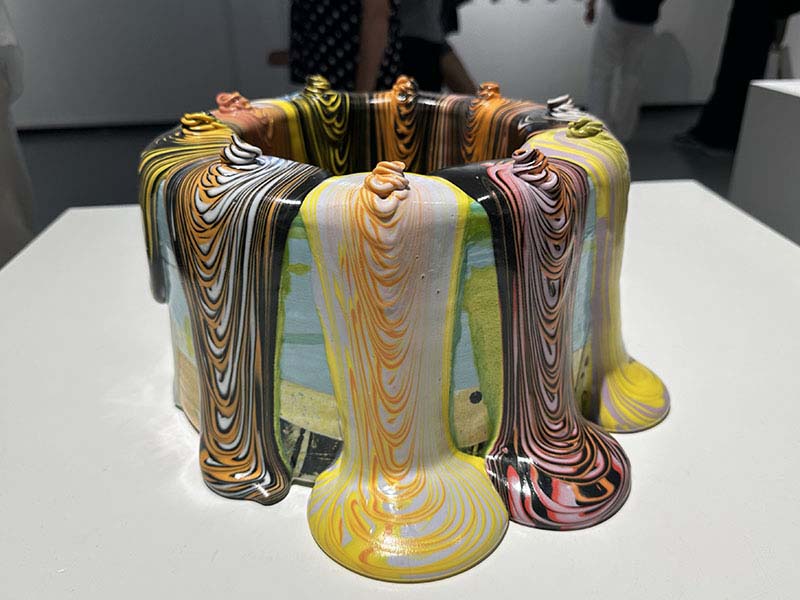
During the Congress, I had the opportunity to visit the Biennale exhibition, which was undoubtedly one of the experiences that impressed me most. Rather than highlighting one particular artist, I would like to congratulate the organizers and, especially, the curatorial team.
The quality of the works was extraordinary, and I found the overall level exceptionally high. I have had the opportunity to visit other ceramic biennales in the past, and I felt that this exhibition reached an outstanding level, both in the selection of works and in the way they were presented.
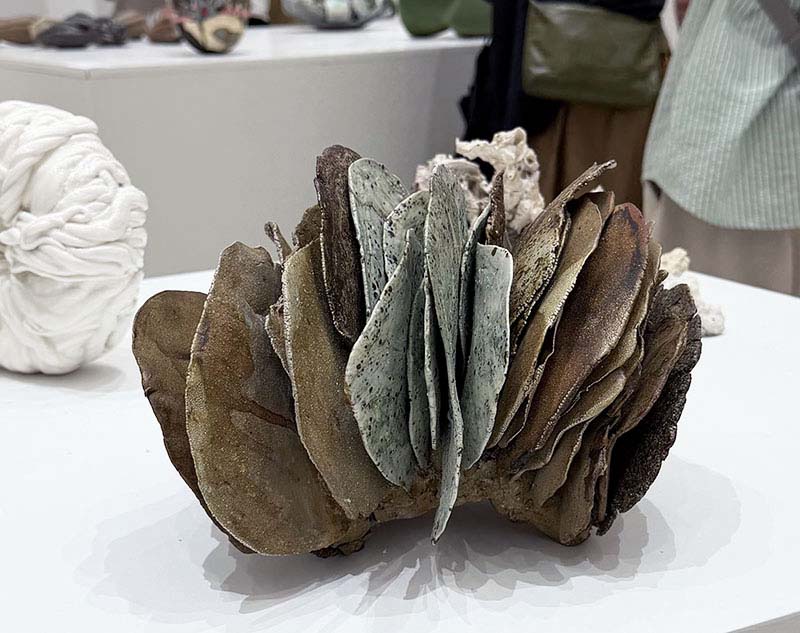
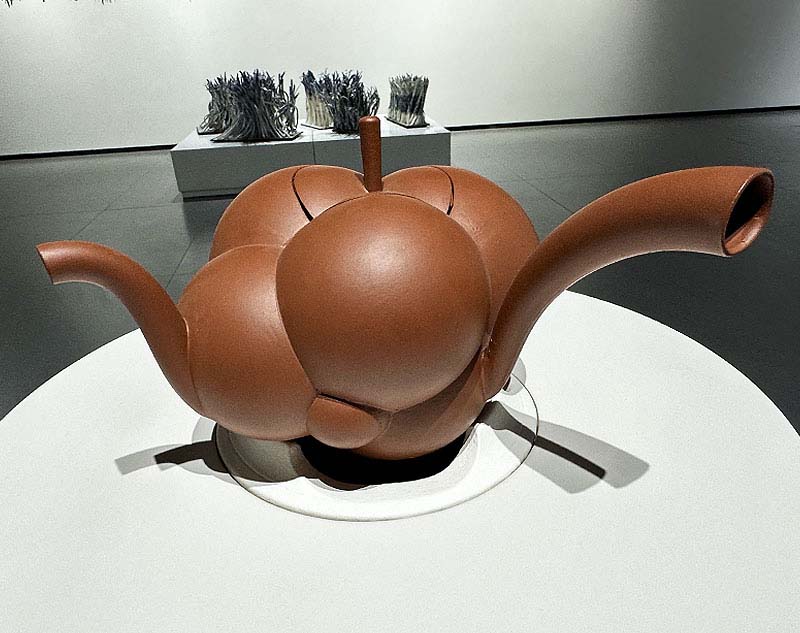
The main event show, which was the curated, by-invite-only show, had some stunning works. The energy in that gallery was palpable. It also hosted the IAC residency works,, which were also extremely interesting. The four exhibitions at the Big Bowl Museum were also a good event. The Latin American show, the Southeast Asian show, the Australasia show, and Po's stamp collection made for a good evening at the conference.
My partner and I ended up seeking out places by ourselves like a workshop making the very big thrown pieces, which are so unique, or the studio of Jackson Lee at Sanbao. When we were taken to a great venue, for instance, the university where the big exhibition with the resident artists was held (a very strong and good exhibition), we were not told about what else there was in the building. So by chance, by wandering through the building, we found that there were more interesting exhibitions.
Another important part of the Congress was the IAC General Assembly, which, from my own experience, was one of the smoothest and most constructive in recent years. Members were presented with proposed revisions to the Academy’s statutes, financial reports and budgets, as well as information about the next IAC Congresses: Kolkata, India, in 2028, and Tajimi, Japan, in 2030—two events that already promise to be exceptional gatherings.
- Oriol Calvo Vergés, President of the International Academy of Ceramics
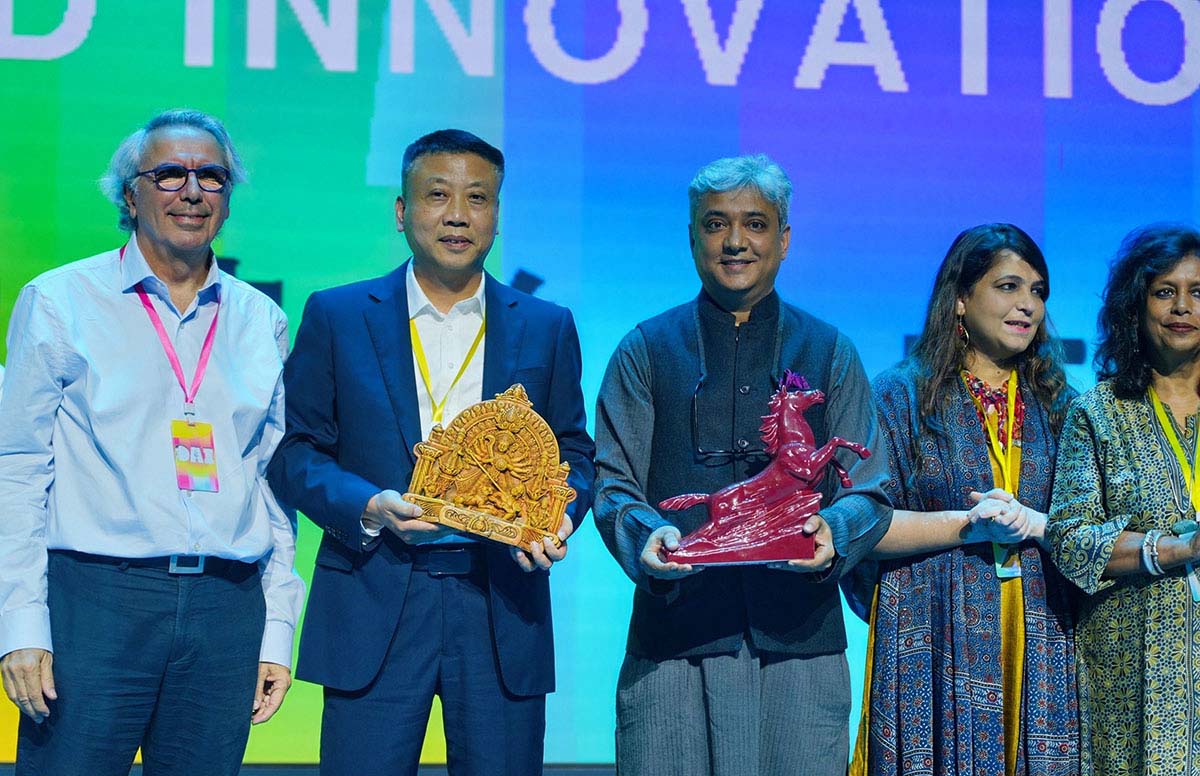
My biggest recommendation for Kolkata would simply be: do less and allow us to experience more.
I would welcome fewer lectures, panels, formal ceremonies, and tightly scheduled events in exchange for more sustained engagement with the host city. A Congress should take advantage of what cannot be experienced anywhere else.
In Kolkata, I hope the organizers build time into the program for smaller groups to visit artists, craftspeople, workshops, markets, museums, cultural sites, and neighborhoods. I would also encourage the IAC to foreground more local and regional voices. The host city should not simply provide the backdrop for an international conference; it should become one of the primary subjects of the Congress.
Hopefully the next Congress in Kolkata will be as well produced and curated as this one.
The visits during this Congress focused mainly on exhibitions, historical sites, and towns of cultural and touristic interest. They were very interesting experiences, although the large size of the groups sometimes made it difficult to have enough time and space to explore each place in depth.
For future Congresses, it might be interesting to consider smaller groups and perhaps include visits to factories and production centers that are currently operating. Learning more about contemporary production processes, techniques, materials, and the everyday reality of the ceramic industry could provide a very enriching complement to the historical, cultural, and artistic visits.
Please, less lectures. Every show opening had long lectures by certain members who love to hear themselves talk, even if no one is listening. Some speeches were outdoors in oppressive heat and went on and on, and the ones on stage should have seen that no one was listening. Everyone was trying to hide in the shade indoors. These speeches must have time limits. When you see the same person pulling out pages to read on stage, it's a total fiasco.
It's essential that there should be a common WhatsApp group for all the participants so that we can get and exchange relevant information or address issues which arise. It should be clear from the beginning who the responsible organizers on the ground are, and who is responsible for what.
Jørgen Haarstad participated in an artist residency at Taoxichuan in Jingdezhen, China, in January 2026, where he produced a new installation, soundscape, and performance for the IAC Congress. He was featured in the Jingdezhen International Ceramic Art Biennial 2026 and performed Hold the Line! The production process began with 3D printing, then plaster molds, and finally casting at the second factory in Sanbao. After firing, he recorded his Chinese production, readymades, city traffic, and kids playing, and for the first time added a hint of drums, recorded in Norway. Hold the Line! is an extension of his ceramic performance practice. Read MoCA/NY's past feature on Haarstadto learn more about the artist and his practice.
Shoji Satake is Chair and Distinguished Faculty/Professor of Ceramics at RISD and former President of NCECA. Born in Kyoto and raised in Alaska, he has exhibited and taught internationally, including the 2017 Whitney Biennial. Since 2005, Satake has led a China Ceramics Study Abroad Program centered in Jingdezhen, China.

WEBSITE
Rick Rogers most recently served as executive director of The Curated Storefront, a nonprofit dedicated to revitalizing downtown Akron through the arts. He spent two decades leading B. W. Rogers Company, his family's manufacturing and distribution business, expanding it from six offices in Ohio to twenty-one across seven states. A dedicated civic leader and passionate collector of contemporary Asian and American ceramics, Rick is a recipient of the Cleveland Arts Prize.

WEBSITE
Jacqueline Schapiro is a Chilean architect, ceramic artist, and sculptor whose work explores territory, memory, and transformation through stoneware, porcelain, and volcanic materials. A member of the International Academy of Ceramics since 2021, her practice connects Chile’s landscape and ancestral heritage with contemporary ceramic sculpture.

WEBSITE
Architecture was Adil Writer's first language before clay reshaped his path. After studying at Golden Bridge Pottery in 1998, he left his architectural career by 2000 to lead Mandala Pottery in Auroville, celebrated for its "happy glazing" aesthetic. An IAC and Artaxis member, his work spans functional pottery, murals, and sculptural installations exploring personal meditations and environmental themes.

WEBSITE
Esther Beck was born in Germany in 1951 and moved to Israel in 1977 after a brief career as a clinical psychologist. She has had her own studio since 1987 and is an active member of the Israel Ceramics Association. Working within the Studio Ceramics tradition, her vessels have evolved from functional forms into dynamic, abstract sculptural objects exploring transience and calm.

WEBSITE